
Arkheron Spires vs Ascension: Which Mode to Play First
Spires vs Ascension in Arkheron: round rules, economy, Beacon pressure and which mode teaches the relic pool faster for a new player in Early Access.
Official source: Arkheron ↗
There are two modes in Arkheron and they answer different questions. Spires asks whether you can win a fight with a fixed budget. Ascension asks whether you can win a run while other teams are doing the same thing to you.
Pick wrong and the game feels either shallow or unfair. This page separates the two on the things that actually differ: round structure, economy, map pressure and how much of your relic knowledge transfers.
Ranked rating only moves in Ascension, which the ranked page→ breaks down.
The comparison
| Spires | Ascension | |
|---|---|---|
| Format | 3v3 arena | 30 players, ten teams of three |
| Win condition | Rounds, win by two, capped at seven | Reach the summit, last two teams |
| Map | Single arena per round | Multi-floor tower with Beacons |
| Economy | Per-round Fragments, resets on loss at low floors | Run-long Fragments and relic pickups |
| Length | 10–20 minutes | 25–40 minutes |
| Best for | Learning relics and fight timing | Learning the full game |
How Spires works
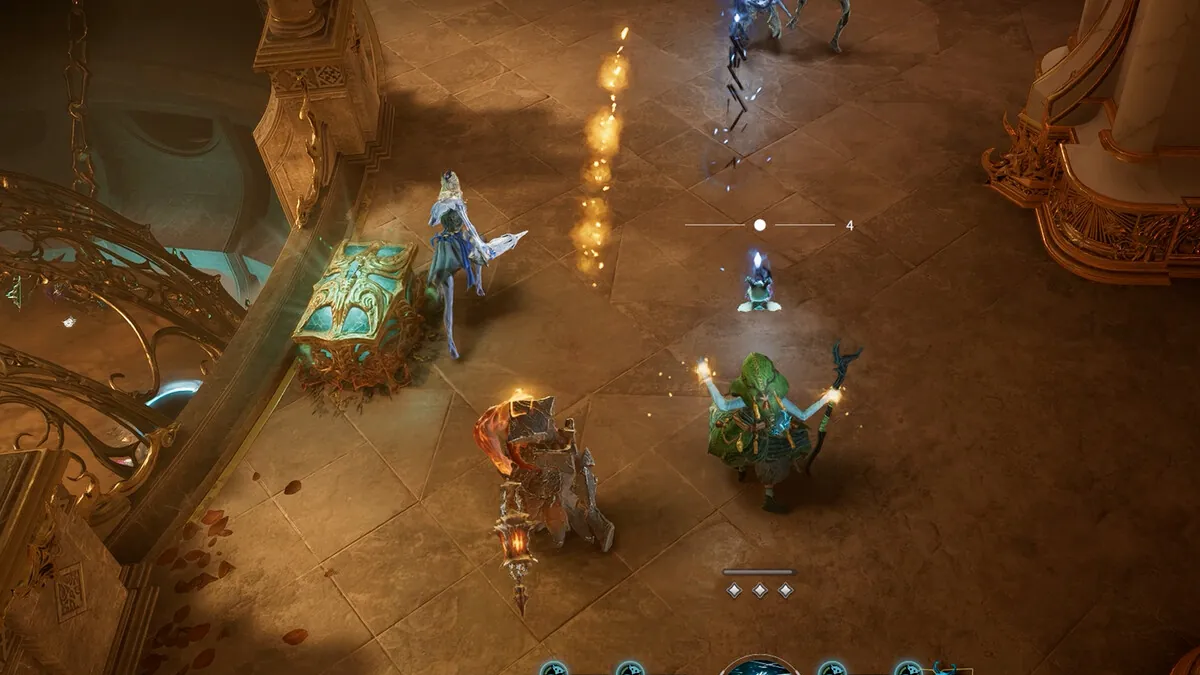
Spires is a series of rounds between two three-player teams. The first team to lead by two rounds wins, with the series capped at seven rounds — so 4–2, 5–3 and 4–0 are all live scorelines, and a 4–4 is impossible because the cap arrives first.
Between rounds you spend Fragments on relics and consumables. The 1.0 patch made that economy more forgiving:
- Item prices escalate by 25 Fragments per purchase, down from 50.
- Rejuvenate costs 100, down from 150.
- Healing potions and Healing Wards cost 200.
- Fortitude shards cost 150.
The effect is that a losing team can still buy meaningful upgrades on rounds three and four. In the old economy, a 0–2 start often meant playing the rest of the series with a worse loadout.
Floors one to ten are the forgiving band. Past floor ten — Endless Spires — the economy stops resetting, which means the mode becomes a run rather than a series. Endless is where the mode gets its depth, and it is the reason Spires is not just a tutorial.
Spires resets the economy every round and caps at seven, so a loadout gets tested in minutes. Ascension charges you a climb for the same lesson. The tips page→ lists the habits that carry between the two.
How Ascension works
Ascension drops ten teams of three onto a multi-floor tower. You fight monsters, take loot, and contest Beacons. Each floor eliminates teams, and the last two meet at the summit.
The 1.0 changes reshaped it:
- The map adapts to 30 players. When queues are short, the game uses a smaller tower with an abyss hazard rather than making everyone wait.
- You can drop anywhere. No forced landing zone.
- There are fewer Beacons than teams. Contest is guaranteed; a quiet floor is not.
- Monsters detect players from behind. Stealth routes through PvE are riskier than they were.
That last change matters more than it reads. A lot of early Ascension play was sneaking past mobs to reach a Beacon first. Now the mobs see you coming, which turns the PvE layer into a real cost rather than scenery.
What transfers between modes
Relic knowledge transfers completely. Tanglefoot Trap roots for two seconds in both modes. Cold-blooded gives +25% to the same states. Cooldowns are the same numbers.
What does not transfer:
- Economy discipline. Ascension rewards saving across floors; Spires rewards spending every round because the budget resets.
- Map awareness. Ascension is a route problem. Spires is an arena problem.
- Team focus. In Ascension, splitting to cover two Beacons is often correct. In Spires, splitting is usually how you lose a round.
Which to play first
Play Spires first if you are new. Ten to twenty minutes per match, a fixed relic budget, and repeated exposure to the same fight geometry. You will learn what every relic does faster in Spires than in Ascension, because you will see each one four or five times per session instead of once.
Play Ascension first if you came for the tower. It is the mode the game is named for, it is where ranked rating comes from, and it is where the relic pool's randomness actually matters. Be prepared to lose runs to a third team arriving at the worst moment — that is the mode working as intended.
Play both if you are learning a new Eternal. Spires gives you reps on the kit; Ascension tests whether the build survives contact with a real economy.
The mistake almost everyone makes
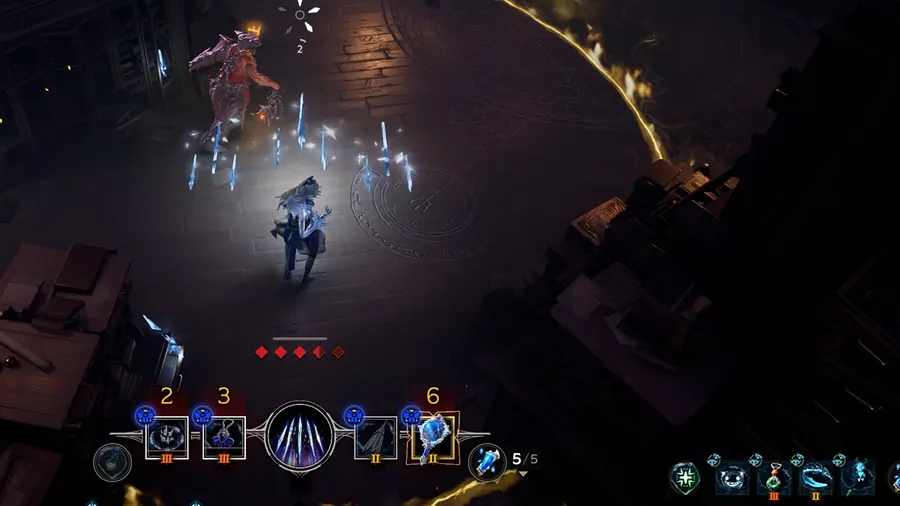
Treating Spires as a deathmatch and Ascension as a looting game. The first produces players who can duel and cannot rotate; the second produces players who arrive at the summit with a full inventory and no idea how to use it.
The mode that punishes this hardest is Endless Spires, because the economy stops resetting and a bad round compounds. If you want a stress test for whether you actually understand the relic pool, that is the one.
Sources
FAQ
Does Spires have ranked? Rating in the pre-launch test came from Ascension only.
How long is an Ascension run? Roughly 25 to 40 minutes, depending on how deep your team goes.
Can I play solo? Yes. You are matched with teammates; teams are not being removed from the game.
Is Endless Spires a separate queue? It is the continuation of Spires past floor ten, not a separate mode.